




What is a TMJ-Disorder?
The temporomandibular joint, the muscles of mastication, the teeth, and the jaw work together to enable speaking, chewing, swallowing, and mouth movements.
When this system loses its functional balance, various symptoms may arise. Craniomandibular dysfunction can manifest as jaw discomfort, headaches, muscle tension, difficulty opening the mouth, or joint sounds. In some cases, discomfort in the neck or ear areas may also occur.
Craniomandibular dysfunction does not necessarily manifest in the same way in everyone. Therefore, a detailed assessment is important to identify which structures are involved and what factors may be contributing to the discomfort.

What symptoms can be experienced?
Jaw and joint
- Temporomandibular joint pain
- Joint clicking or noises
- Jaw locking
- Jaw deviation when opening the mouth
- Pain or tension when chewing
Head and face
- Tension headache
- Migraine-like discomfort
- Facial pain
Muscles and neck
- Tension in the chewing muscles
- Jaw pain
- Neck pain
- Upper back discomfort
Ear
- Ringing or tinnitus
- Sensation of pressure in the ear
- Ear pain without clear otological findings
- In some cases, dizziness or balance disturbances

Functional diagnostic in TMJ
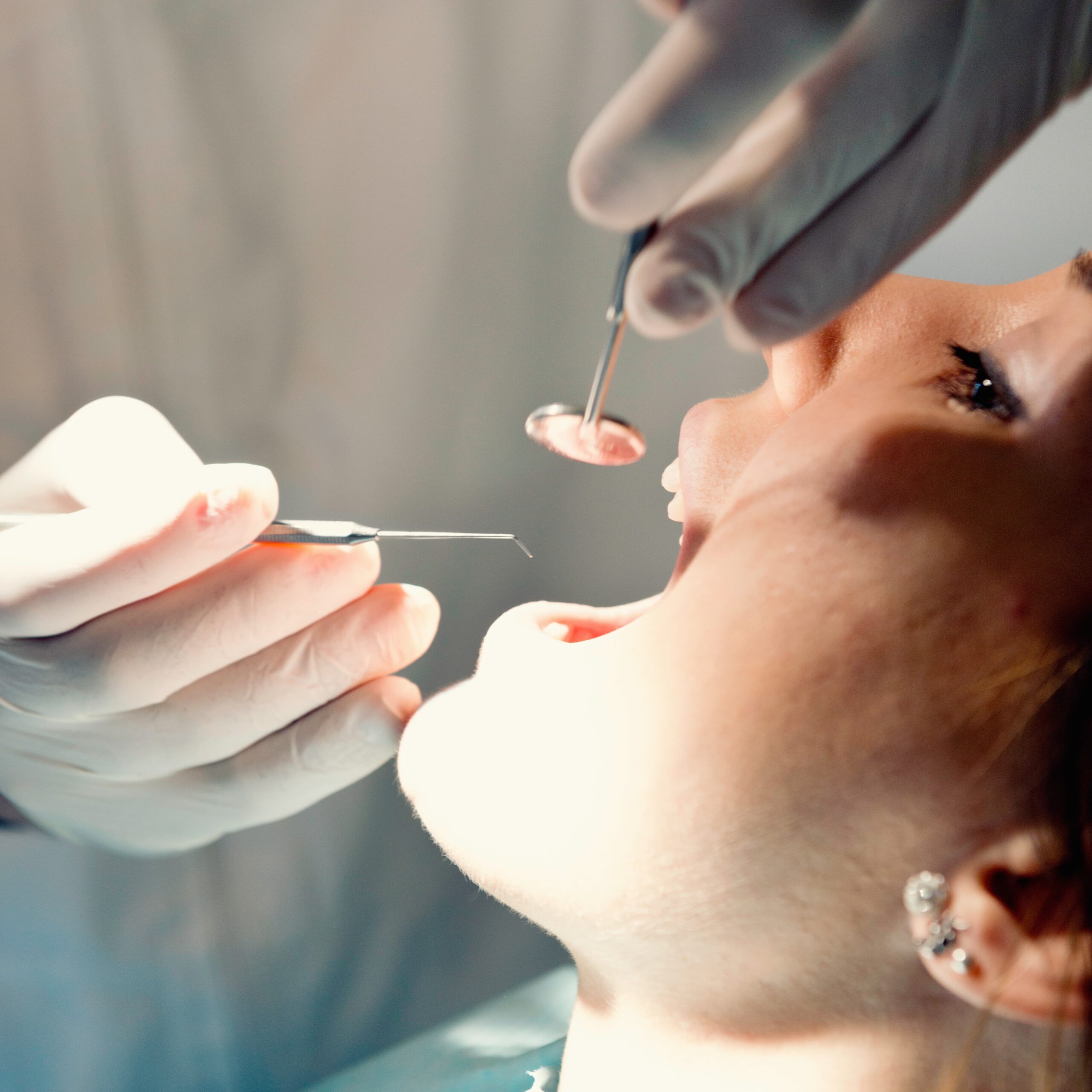
Diagnosis begins with a detailed medical history and a functional clinical examination.
The following aspects are primarily evaluated:
- The temporomandibular joints
- The masticatory muscles
- Mouth opening
- Jaw movements
- Teeth and occlusion
- The functional relationship between the various structures
Individual symptoms and their potential connections
The goal is to identify possible functional disorders of the masticatory system and determine which factors may be related to the discomfort.
Therapy options for TJM
Treatment depends on the examination results and is tailored to each patient.
Depending on the clinical presentation, it may include:
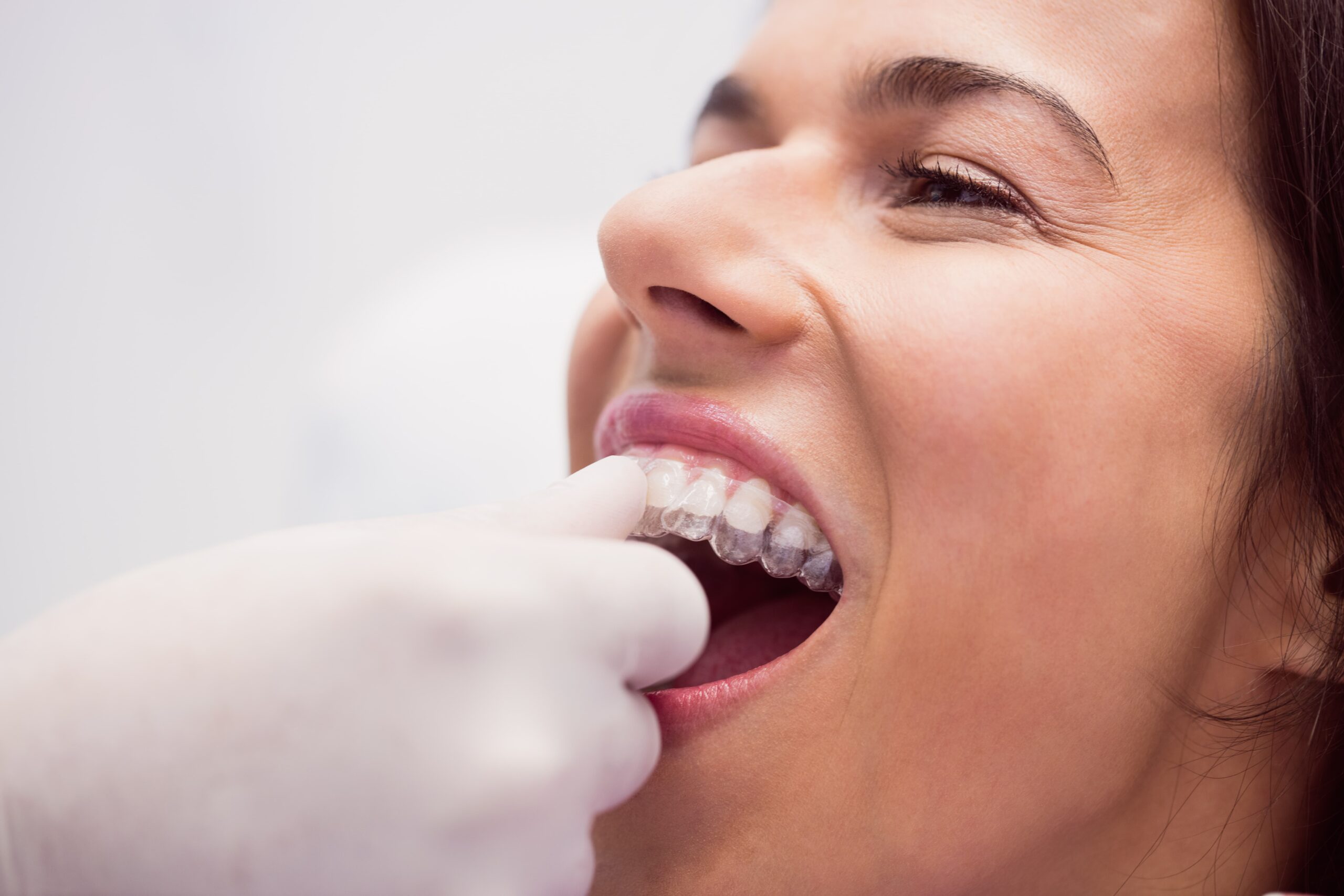
- Custom-made occlusal splints
- Measures to relieve strain on and stabilize the masticatory system
- Physiotherapy
- Manual therapy
- Behavioral measures
- Specific dental treatments
- In certain cases, orthodontic treatment
Progress is monitored through follow-up appointments, and the treatment is adjusted as necessary to meet the patient’s changing needs.
Make an appointment